

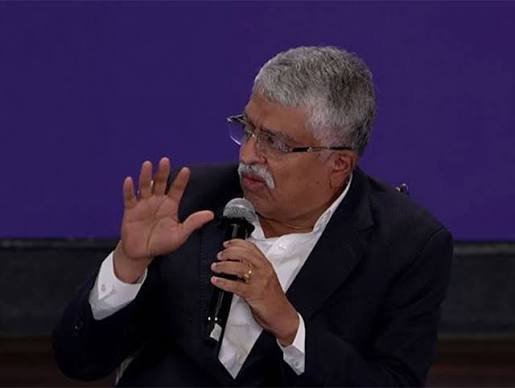


SIM-Binding a Necessary Security Measure That Protects Users Without Affecting Convenience or Privacy: COAI


The Cellular Operators Association of India (COAI) has strongly endorsed the Government of India’s recent directive mandating SIM-binding for app-based communication services, calling it a “balanced and essential security measure” that enhances digital safety without undermining user convenience or privacy. Addressing several misconceptions circulating around the mandate, COAI clarified why the measure is both timely and vital.
COAI noted that concerns about SIM-binding inconveniencing users — particularly international travellers — are not supported by real-world experience. Widely used digital systems like UPI already depend on SIM presence for authentication, without requiring an active data connection. “The same model can be seamlessly applied to communication apps,” COAI said, adding that users abroad can continue using services through Wi-Fi or a foreign SIM, as long as their Indian SIM remains active in the device, even if in a secondary slot.
Addressing worries from those using single-SIM devices, COAI stressed that this safeguard is intentional and necessary. By ensuring that communication apps function only when linked to a verified, active SIM, the mandate helps block fraud originating from outside the country. “This prevents communication channels from being freely exploited by overseas fraudsters or non-state actors who pose a grave threat to national security and citizen safety,” the Association stated.
Importantly, the new rules do not deny communication services to users abroad; instead, they ensure that the Indian recipient’s app remains tied to a verified Indian SIM, strengthening security for both individuals and the nation.
COAI also defended the provision for periodic reauthentication — such as a six-hour logout cycle — pointing out that it follows global best practices for identity-sensitive platforms like banking, fintech, DigiLocker, and Aadhaar. While smartphones rely on secure cryptographic anchoring, laptops and browsers are typically multi-user devices, necessitating periodic checks. “Most users will have their mobile phones with them, and reauthentication poses minimal inconvenience compared to the significant security benefits,” the statement noted.
Responding to criticism that SIM-binding offers limited security value, COAI emphasised that it adds a crucial protective layer by closing a widely exploited vulnerability in digital communication apps. Similarly, fears around privacy were dismissed as unfounded. Since SIM-binding does not require new data collection or create additional metadata categories, it simply mirrors the trusted UPI authentication model, ensuring identity-linked access without encroaching on privacy.
The Association further clarified that enterprise messaging systems, APIs, CRM platforms and automated workflows will continue unhindered, as SIM-binding affects only user-level account verification. Business systems can operate normally as long as accounts are associated with valid SIMs.
“There has been a longstanding need for communication apps to ensure accountable, traceable usage without violating privacy norms,” COAI said. “The government’s order achieves exactly that — protecting users from fraud and safeguarding the country from malicious actors.”
Calling SIM-binding “an idea long overdue,” Lt. Gen. Dr. S.P. Kochhar, Director General, COAI, concluded that the mandate strengthens digital trust, curbs spams and frauds, and enhances national security — all without compromising user convenience or business operations.