


Budget 2026: Quotes from Industry Leaders

Jagdish Mitra, Board Member NSDC, Founder and CEO, humanizetech.ai
“The Budget sends a clear signal that technology and human capital are central to India’s growth story. The government’s sustained focus on education, skilling, AI, deeptech and IT services aligns well with the vision of a Viksit Bharat. A nearly 62 per cent increase in skilling allocations, along with higher investment in education and initiatives like PM-SETU, reflects a serious intent to close the gap between learning and employability. Recognising artificial intelligence as a national skill and creating outcome-oriented education-to-employment pathways are particularly timely steps. The proposal to develop integrated townships that bring industry and academia together for research and innovation is forward-looking and has the potential to strengthen India’s technology ecosystem in a lasting way.”
Krishanu Acharya, Co-Founder & CEO, Suhora Technologies

“The Union Budget 2026 builds on the groundwork laid over the last few years by backing specific enablers for technology and space-led growth. Continued support for emerging technologies through initiatives like the IndiaAI Mission and the ₹10,000 crore SME Growth Fund for startups and MSMEs strengthens the overall innovation ecosystem. The 15% increase in the defence budget to ₹7.85 lakh crore is a particularly strong signal for the space sector, as defence remains one of the largest and most strategic users of space-based capabilities. We are hopeful that the increased allocation in defence will accelerate greater adoption of satellite data analytics for ISR, terrain surveillance and maritime domain awareness to not only enhance operational readiness but also create sustained demand for indigenous space technologies. This, in turn, will help the domestic space ecosystem mature faster, from upstream satellite capabilities to downstream analytics and applications. For companies like Suhora Technologies, working across space, geospatial and data-driven domains, these measures indirectly support product innovation, talent creation and long-term collaboration with defence stakeholders, enabling Indian technology firms to scale and engage more meaningfully with global markets.”
Abhilesh Gupta, MD and CEO, THINK Gas
“Budget 2026 reinforces the role of natural gas as a practical transition fuel that supports both growth and sustainability. Mandating the blending of compressed biogas (CBG) with CNG and PNG is a visionary step toward a greener India and energy security. The 20,000 crore outlay for Carbon Capture and the focus on ‘net-zero’ by 2070 show that the government is serious about environmental responsibility. This budget provides the structural reforms needed to transition India into a gas-based economy while ensuring that clean energy remains affordable and accessible for all.”
Lt. Gen. AK Bhatt (retd.), Director General, Indian Space Association (ISpA)

“We are hopeful that today’s Budget, with its emphasis on easing processes and creating a more investment friendly environment for science and technology, will encourage greater private sector participation. The increase in ISRO’s allocation to Rs 13,705.63 crore in FY 2026–27 is an important signal that will help support deeper private sector participation in ISRO led programmes across launch vehicles, satellites and scientific missions. Alongside this, the announcement on expanding telescope infrastructure and learning facilities is a meaningful step towards strengthening India’s scientific base in astrophysics and astronomy. Together, these measures can improve observational capabilities, enable long term research and strengthen collaboration between ISRO, academia and industry, gradually enhancing India’s contribution to global space science and the broader space ecosystem.”
Agendra Kumar, Managing Director, Esri India

“The Union Budget’s strong emphasis on long-term growth, Atmanirbharta, and India’s emergence as a global manufacturing and logistics hub creates significant opportunities for the geospatial sector. The substantial increase in capital expenditure to ₹12.2 lakh crore, with a clear focus on freight and rail corridors, inland waterways and multimodal infrastructure, will play a critical role in reducing logistics costs and turnaround times. Investments aimed at improving Tier-2 and Tier-3 cities, alongside the AMRUT programme, will accelerate balanced urban development. The ₹1.4 lakh crore provision to the states will lead to initiatives that will underscore the growing role of geospatial intelligence in planning, monitoring and decision-making, positioning the sector as a key enabler of India’s development agenda.”
Ganesh Gopalan, Co-Founder & CEO, Gnani.ai

“The Union Budget 2026 is a timely and forward-looking budget, with the Finance Minister rightly highlighting that AI will have a strong multiplier effect on the Indian economy. The focus on assessing the impact of emerging technologies like artificial intelligence on jobs and skills reinforces the need to prepare for this shift. The adoption of AI and rapid tech advancements is essential for inclusive national progress, driving productivity and new economic opportunities. Taxation benefits for data centres and safe harbour clauses will further enable large-scale AI model training and infrastructure growth. Initiatives like multilingual AI-based agriculture tools for farmers show meaningful grassroots impact, while large-scale upskilling and industry–academia collaboration remain key to building a future-ready workforce”
Abhishek Garg, Director, DBG Technology Pvt. Ltd ,DBG Technology Pvt Ltd
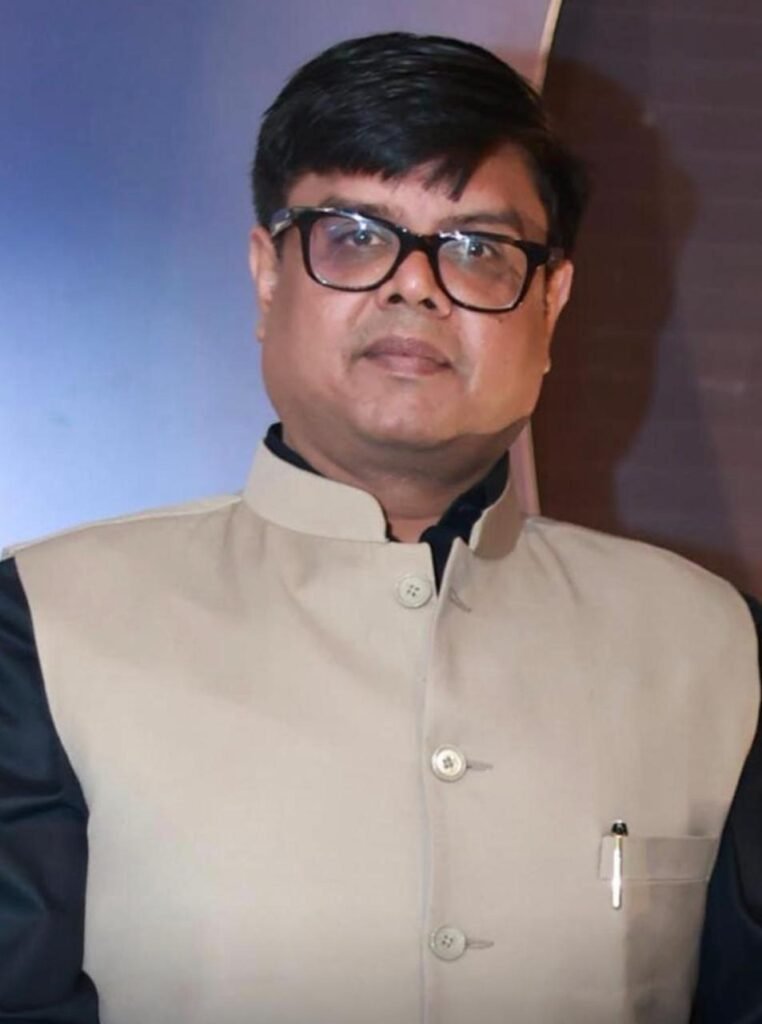
“Union Budget 2026 further strengthens the foundation for the Government’s enhanced capital expenditure and progressive industry-focused schemes — particularly the expansion of the India Semiconductor Mission 2.0 with a significant outlay — signal a transformative push for electronics, semiconductors and high-value tech manufacturing. The emphasis on electronics components manufacturing, skills development and strategic investment incentives is a decisive step toward reducing import dependence and scaling indigenous capabilities. We are encouraged by this forward-looking policy framework that aligns with our commitment to innovation, ‘Make in India’, and empowering the Indian technology ecosystem. We believe the budget focuses on accelerating growth for the industry but will also help in strengthening India’s position in the global technology landscape, inspiring confidence for long-term investment, job creation, and sustained competitiveness.”
Sunil Arora, National Head, Taxation, ASA & Associates
“From a transfer pricing standpoint, the Budget 2026–27 proposals represent a considered shift toward greater certainty. The consolidation of Software Development/ITES/KPO/R&D services into a single bucket of ‘IT Services’, expansion of safe harbour thresholds from INR 300 cr ($33mn) to INR 2000 cr ($217mn), adoption of uniform margins of 15.5% and the introduction of automated approvals should narrow the scope of potential transfer pricing controversy for IT companies and Global Capability Centres (GCCs). Furthermore, the focus on expediting unilateral APAs and introducing safe harbours for data centres, bonded warehousing and toll manufacturing activities reflects a practical approach to evolving business models.”
“The taxation of buybacks as capital gains is a welcome step towards simplification of shareholder taxation, specifically beneficial for minority and non-promoter investors. The additional levy of on promoters at 30% (non-corporate) /22% (corporate) appears to be an anti-arbitrage measure that addresses the use of buybacks as a dividend substitute. This could materially alter promoter-level tax outcomes and requires revisiting exit strategies.”
Ankit Agarwal, Vice-Chairman & Non-Executive Director, Invenia-STL Networks

“The Union Budget 2026 firmly positions the services sector as a core growth engine of Viksit Bharat, reinforcing its role in driving economic growth, employment and exports. The Budget advances the Government’s long-term focus on attracting foreign investment into digital infrastructure, strengthening India’s emergence as a preferred cloud services hub while fostering domestic innovation. A clear emphasis on data centres recognises them as critical enablers of India’s digital growth and its ambitions in artificial intelligence, cloud computing and digital public infrastructure, supported by incentives aimed at strengthening the country’s data infrastructure and AI-led capabilities. Equally important is the shift towards tax clarity and certainty to reinforce India’s position as a global technology and data hub. Consolidating software, IT-enabled services, KPO and contract R&D under a single Information Technology Services framework will also bring in clarity and tax certainty. A uniform safe harbour margin, higher eligibility thresholds and automated approvals will significantly reduce compliance friction and strengthen India’s standing as a global IT services hub. Together, these measures will strengthen India’s trajectory to becoming a trusted, scalable destination for digital workloads, aligning talent, technology and infrastructure for sustained growth in an AI-led global economy.”
Sharad Malhotra, Managing Director, Nippon Paint (India) Group
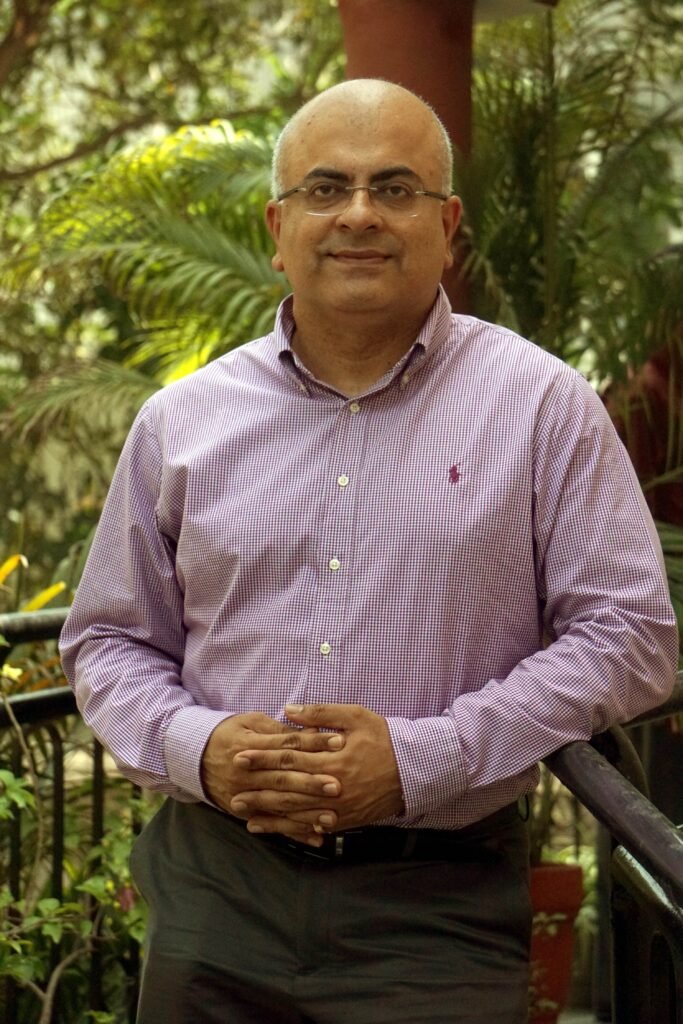
“Union Budget 2026 reinforces the government’s focus on sustaining economic momentum through higher capital expenditure, infrastructure creation and fiscal discipline. This continued emphasis on investment-led growth will be critical in supporting India’s long-term ambition of becoming the world’s third-largest economy while creating meaningful employment at scale. The proposal to support states in setting up three dedicated chemical parks through a cluster-based, plug-and-play framework is a timely step. It will strengthen domestic manufacturing capabilities, improve supply chain efficiency and reduce import dependence, which is particularly important for sectors such as paints and coatings that rely on a robust chemical ecosystem. Overall, the Budget reflects a balanced approach that combines industrial growth, technological advancement and sustainability. By improving ease of doing business amid a volatile global environment, it lays the foundation for higher productivity, long-term manufacturing resilience and India’s emergence as a globally competitive industrial hub.”
Avinash Kumar, COO, DJT Microfinance

“Budget 2026-27 truly honors the spirit of ‘Sabka Saath, Sabka Vikas’ by focusing on inclusive development at the grassroots level as a key driver of growth for the rural economy. The emphasis on ‘SHE Marts’ to empower women entrepreneurs and the top-up of the Self-Reliant India Fund for micro-enterprises, with banks now covering 98% of villages, will aid financial inclusion, ensuring that the dividends of our 7% growth reach the last mile, turning every village into an engine of economic participation.”
Vasudha Madhavan, Founder & CEO, Ostara Advisors

“This Budget reflects a shift from aspiration to execution. The creation of rare earth corridors in mineral-rich states addresses a critical supply-chain vulnerability by anchoring domestic manufacturing capabilities. Importantly, the ₹20,000 crore commitment to carbon capture and storage establishes a credible foundation for decarbonising hard-to-abate sectors such as power, steel, and cement, where alternatives remain limited at scale. The government’s phased, programmatic approach to CCUS enables industrial emissions reduction without disrupting growth, strengthens energy security, and advances India’s net-zero pathway in a pragmatic, economically aligned manner.”
Monica Pirgal, CEO , Bhartiya Converge

“By unifying IT services, easing safe harbour norms, and decisively rewarding scale, the government has removed the core friction points that global enterprises faced while expanding in India. The move to a single IT Services framework and predictable margins replaces years of classification ambiguity and tax uncertainty with clarity and confidence. Most notably, raising the safe harbour threshold to ₹2,000 crore signals a powerful shift scale is no longer penalised but actively encouraged. Combined with automated approvals, long-term incentives for cloud and data infrastructure, and a renewed focus on services-led employment and skills, India is no longer competing only on cost. It is positioning itself as the most predictable, scalable, and future-ready global operations hub for enterprises building long-term value”
Dr. Sanjay Gupta, Vice Chancellor, World University of Design
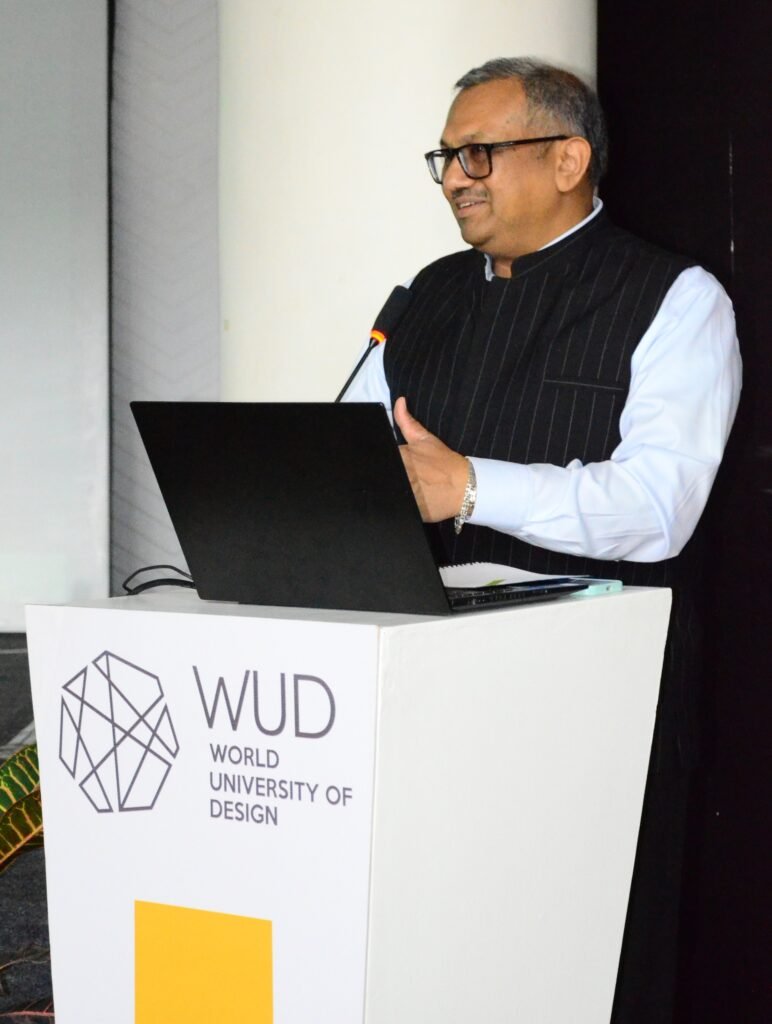
“The Budget’s strong push towards the creative and design economy is a welcome step for India’s youth. I have been advocating for this. By expanding AVGC and content creation labs across schools and colleges, the government is opening doors to future-ready careers within the growing creative economy. The proposal to strengthen design education addresses a long-standing talent gap. Together, these measures will nurture creativity, generate meaningful employment, and position India as a global hub for design, content, and innovation”
Nilanjan Banik, Professor of Economics and Finance, School of Management, Mahindra University
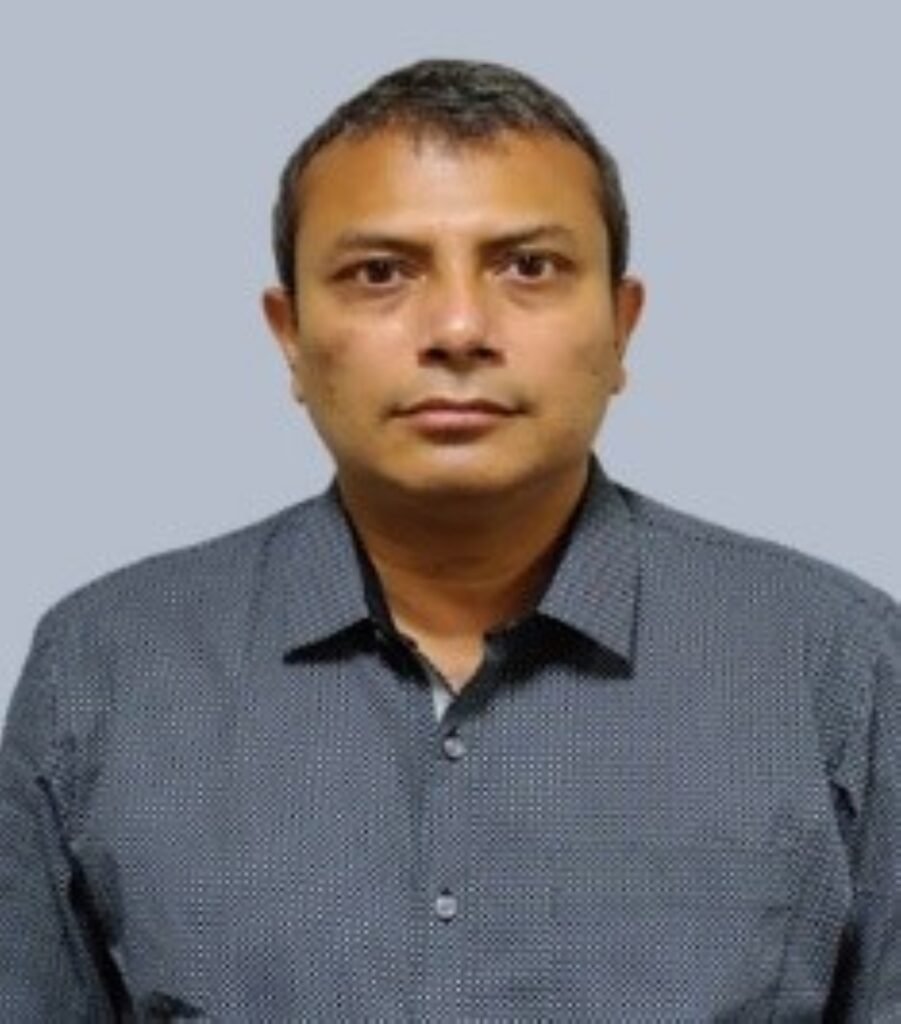
“From a macroeconomic standpoint, Budget 2026 signals continuity and discipline, which markets value. The transition to the Income Tax Act 2025 is a welcome move toward simplicity and transparency for the common taxpayer. By restructuring PFC and REC and forming a high-level committee for ‘Viksit Bharat’ banking, the government is ensuring our financial sector is robust enough to handle global volatility. The push for asset monetization through REITs and the 12.2 lakh crore capex will provide the necessary liquidity to keep the ‘Reform Express’ moving. It is a stable, non-populist budget that prioritizes long-term economic resilience over short-term gains.”
Dr. Yajulu Medury, Vice Chancellor, Mahindra University
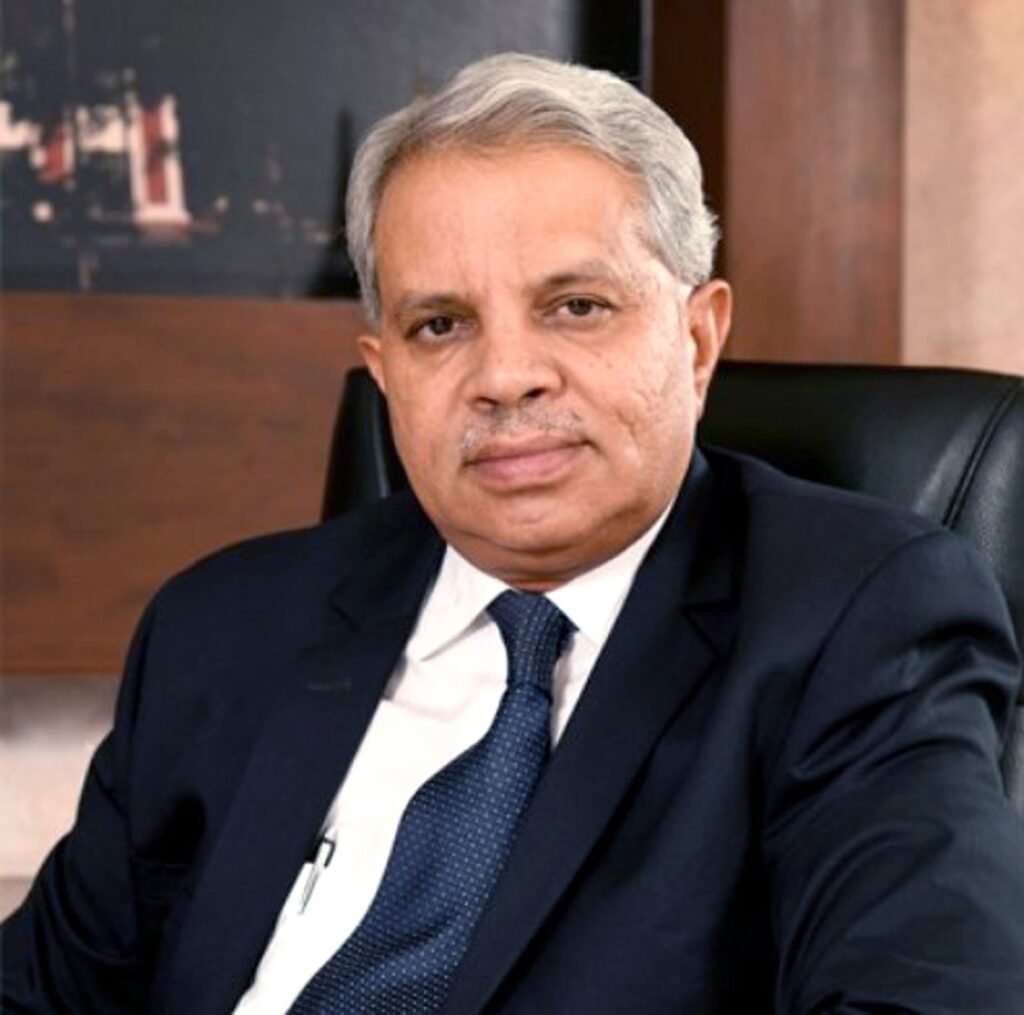
“The Union Budget 2026-27 takes a bold step toward making India a global knowledge hub. By focusing on ‘Yuva Shakti’ initiative, the government is bridging the gap between classroom learning and real-world careers, especially as the economy becomes more knowledge-driven. India will become a world leader in services sector with 10% share by 2047 due to introduction of high-powered Education-to-Employment Enterprises Standing Committee. The proposal for five new university townships and modular ‘Corporate Mitra’ courses will change how we train our youth for the global market.”
Dr. B. K. Chakravarthy, Dean, School of Design Innovation, Mahindra University
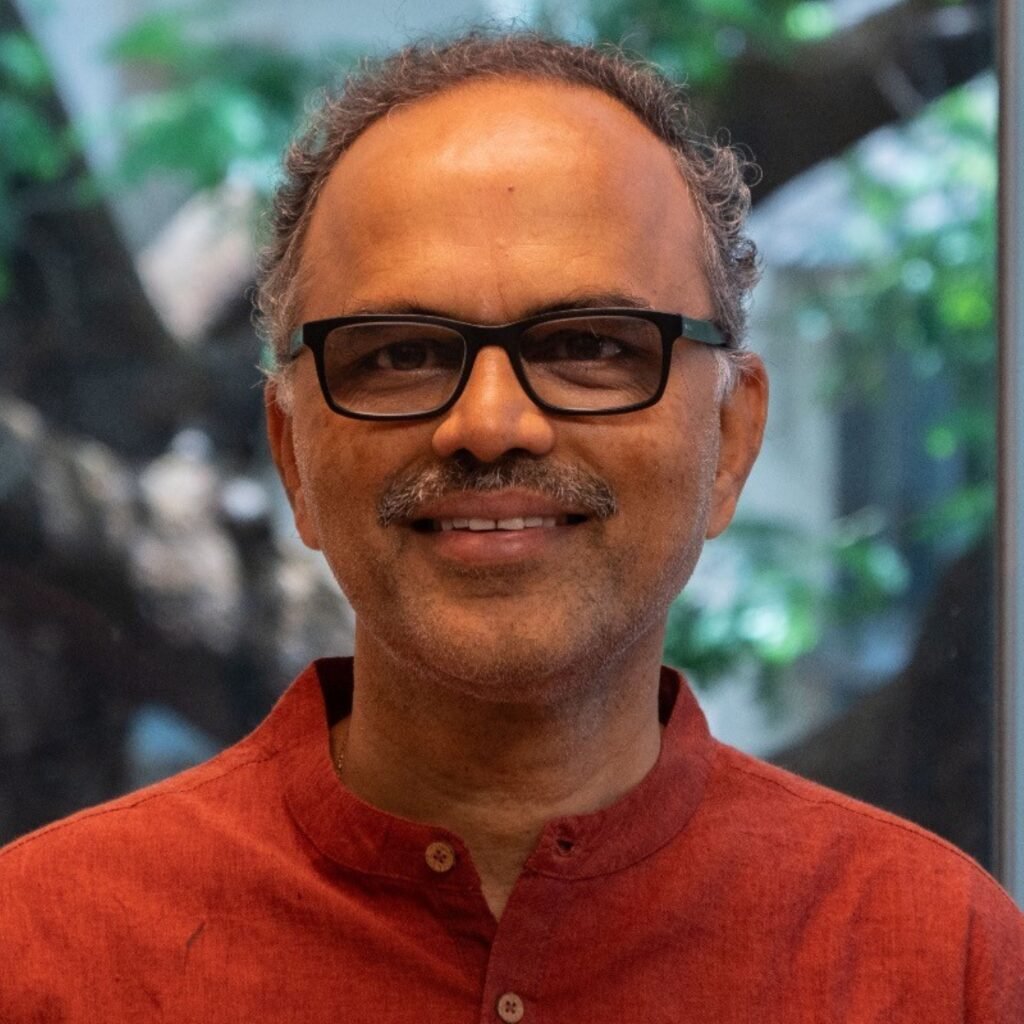
“The Budget’s emphasis on the ‘Anusandhan’ National Research Fund and AI Mission marks a turning point for Indian innovation, where design innovation bridges design thinking and technology to spark breakthroughs. Proposing a new National Institute of Design in East India and supporting high-tech toolrooms for precision manufacturing signals that ‘Made in India’ is evolving into ‘Designed in India’—fusing design with advanced tech for global competitiveness. The focus on Animation, Visual Effects, and Gaming (AVGC) via Mumbai’s Creative Technology labs will supercharge our creative economy by blending artistic design with computational power. Through the Mahatma Gandhi Gram Swaraj Yojana, design innovation integrates cutting-edge technology with traditional craftsmanship, rooting progress in our communities and positioning India as a global leader in the design landscape.”
Prashant Solomon, Director, Chintels Group, CREDAI NCR EC/GC Member
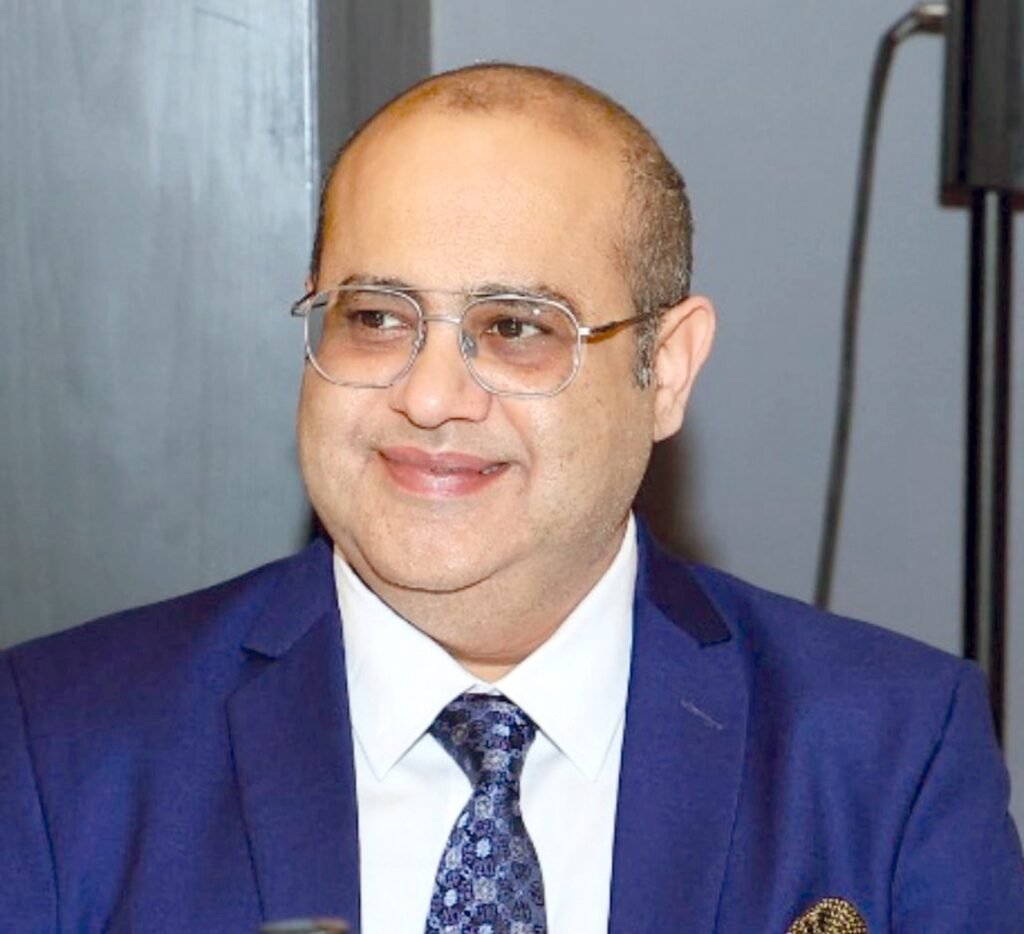
“The Budget outlines an impressive roadmap for the real estate and infrastructure sectors, balancing fiscal discipline and long-term value creation with a bold, infrastructure-led vision. The proposed Infrastructure Risk Guarantee Fund will help address the financing bottlenecks, de-risk construction phases and provide an added impetus for the private sector. Combined with the ₹1 lakh crore Urban Challenge Fund, it signals a transformative shift toward making our cities resilient hubs of economic activity, inclusive urban development and sustainable growth. The focus on Tier 1 and Tier 2 cities will drive investment and growth, laying the foundational infrastructure for a Viksit Bharat.”