



Industry Leaders Call for Infrastructure Push, Innovation Funding and Policy Stability Ahead of Union Budget 2026

Ahead of the Union Budget 2026, industry leaders across geospatial technology, manufacturing, finance, clean energy, education, real estate and urban infrastructure have called on the government to accelerate investments in innovation, sustainability, digital transformation and ease of doing business to sustain India’s high-growth momentum.
From strengthening geospatial infrastructure and boosting domestic manufacturing to expanding green energy financing and modernising higher education, businesses expect the upcoming Budget to lay the foundation for long-term competitiveness and support India’s ambition of becoming a $5 trillion economy.

Agendra Kumar, Managing Director, Esri India, highlighted the importance of geospatial technologies for governance and national security. Referring to the National Geospatial Mission announced earlier, he said adequate budgetary allocation is now critical to modernise geodetic frameworks, standardise data systems and accelerate the country’s digital infrastructure, enabling ministries and public services to operate more efficiently and helping advance the Viksit Bharat 2047 vision.
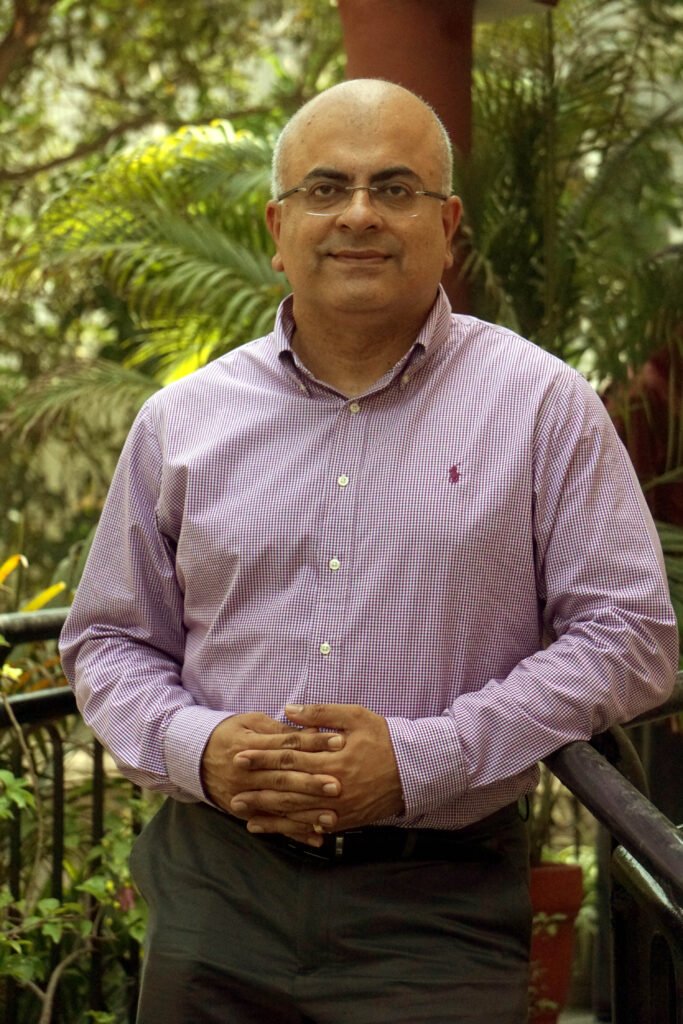
On the manufacturing front, Sharad Malhotra, Managing Director, Nippon Paint (India) Group, said India’s rapid economic expansion demands stronger domestic production and supply-chain resilience. He called for continued support through initiatives such as PLI, along with access to quality raw materials, energy-efficient manufacturing and sustainability-led innovation to improve global competitiveness and exports.

Echoing the need for policy stability, Ajay Sethi, Managing Partner, Baker Tilly ASA India, urged the government to maintain continuity in direct tax rates to preserve investor confidence. He advocated procedural simplification in GST and customs, targeted incentives for electronics, semiconductors, aerospace and defence, and balanced labour code implementation to ensure ease of doing business.

Financial inclusion and credit access also remain key priorities. Avinash Kumar, COO, DJT Microfinance, emphasised that microfinance institutions play a crucial role in driving rural demand. He recommended dedicated refinance windows, lower borrowing costs for NBFCs and an expanded, simplified MUDRA framework to support MSMEs and underserved borrowers.

Sustainability and climate action featured prominently in industry expectations. Vasudha Madhavan, Founder and CEO, Ostara Advisors, called for stronger fiscal backing for green hydrogen, energy storage, grid modernisation and industrial decarbonisation. She also advocated targeted EV subsidies, domestic manufacturing incentives and robust green finance and carbon market frameworks to mobilise private capital.
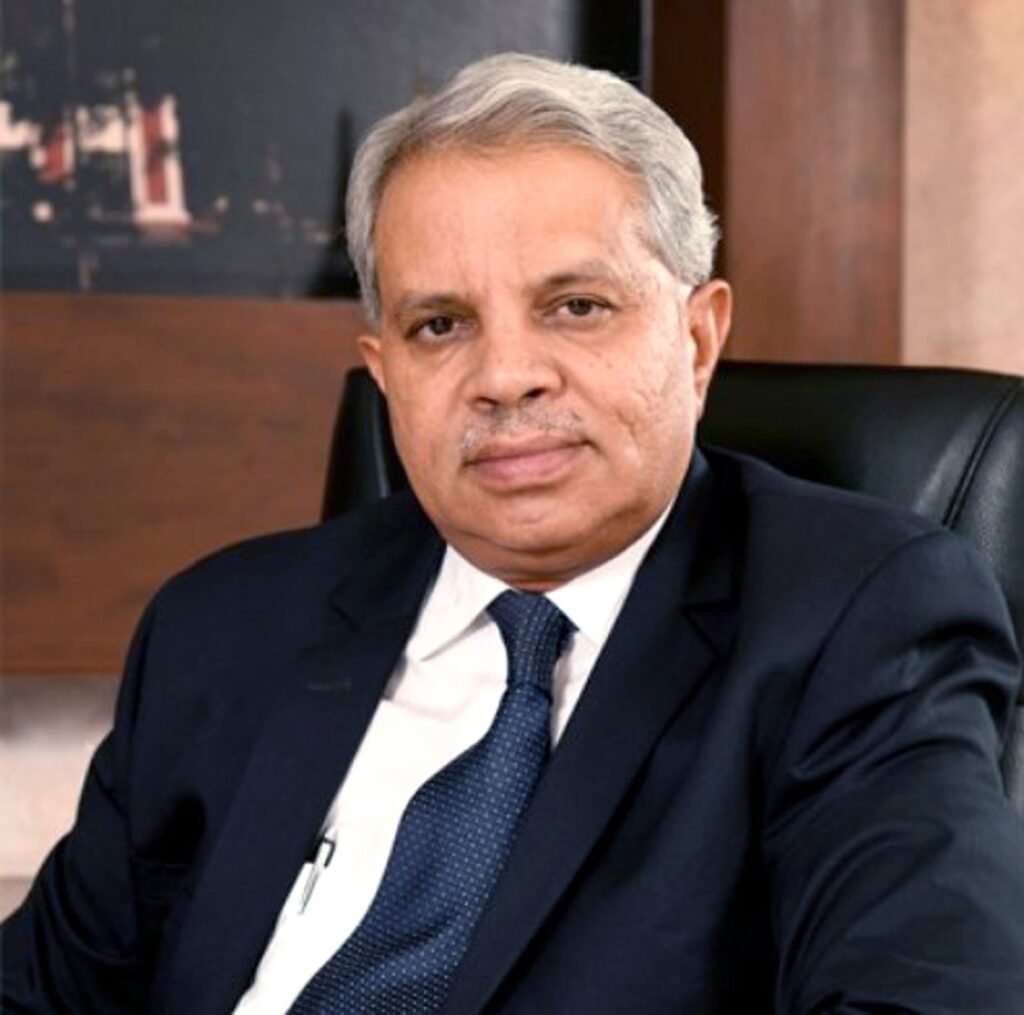
Education leaders stressed that human capital will be central to India’s growth story. Dr. Yajulu Medury, Vice Chancellor, Mahindra University, said higher allocations are needed to transform universities into centres of advanced research and innovation aligned with NEP 2020.
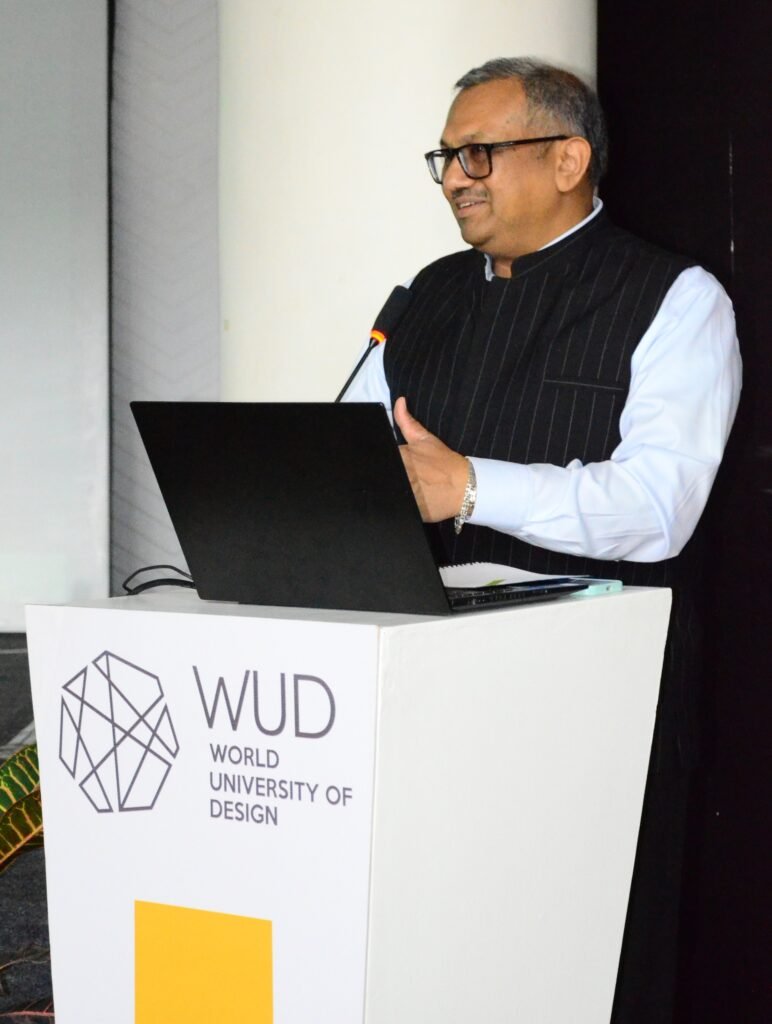
Dr. Sanjay Gupta, Vice Chancellor, World University of Design, added that design and interdisciplinary education should be viewed as strategic economic investments, with dedicated funding for design-led R&D and creative technology labs.

Similarly, Dr. Anita Patankar, Executive Director, Symbiosis Dubai, sought greater focus on digital infrastructure, faculty development, global collaborations and affordability to prepare students for evolving job markets.

In the real estate and urban development space, Hardeep Dayal, President – Commercial, Bhartiya Urban, said targeted policy measures to ease leasing compliance, provide tax clarity and incentivise green, energy-efficient office spaces would help sustain India’s commercial real estate growth and attract long-term capital.

Monica Pirgal, CEO, Bhartiya Converge, stressed the need for continued investments in urban mobility, digital infrastructure and resilient utilities to support the expansion of Global Capability Centres beyond metros and enable balanced regional development.
Collectively, industry voices underline a common message: Budget 2026 must balance growth with sustainability, simplify regulation, and invest strategically in infrastructure, technology and skills to maintain India’s trajectory as a global economic powerhouse.