
IDEMIA Secure Transactions and IonQ validate Quantum Key Distribution interoperability for critical communications

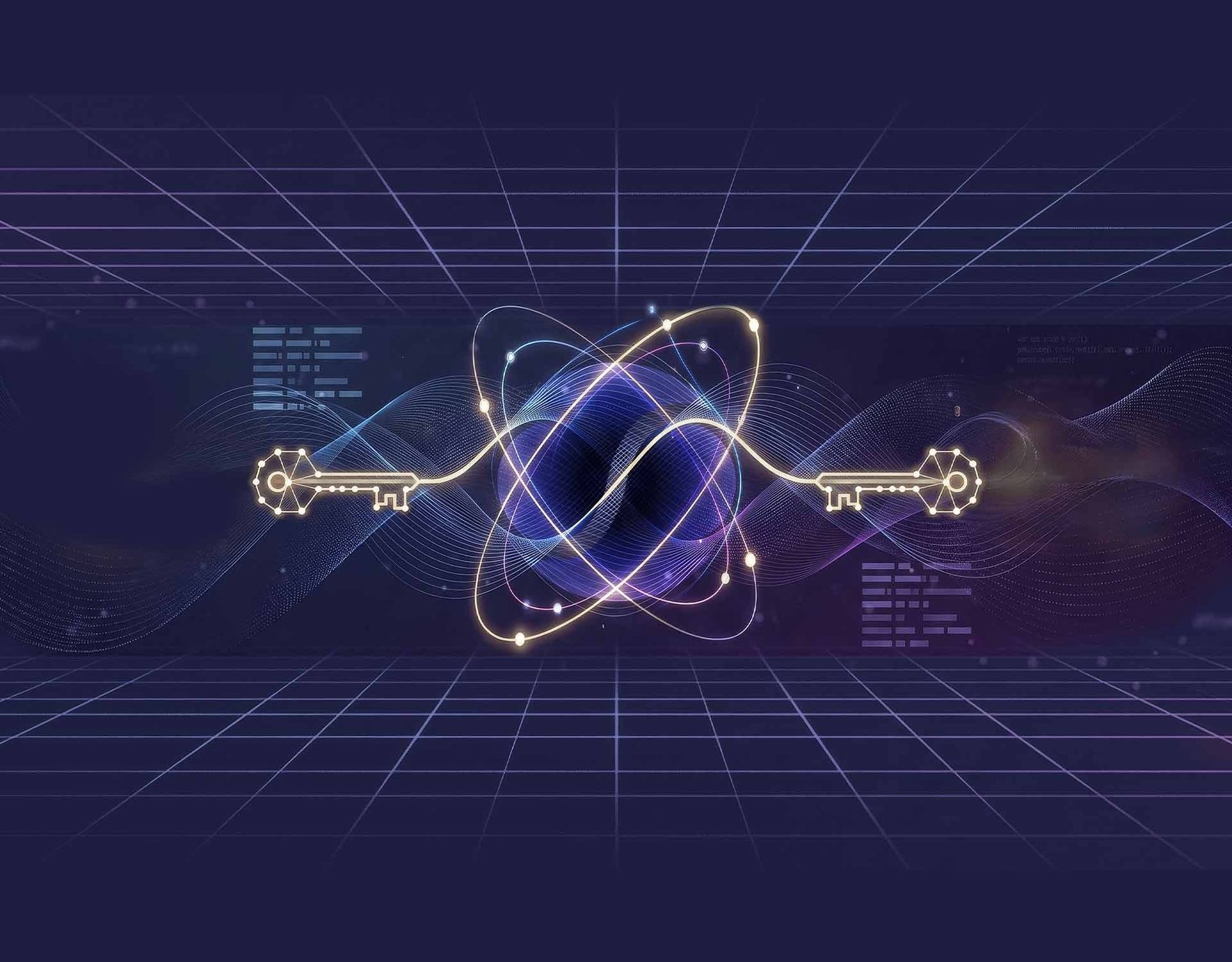
This new milestone showcases how organizations can combine Hardware Security Modules, Post-Quantum Cryptography and Quantum Key Distribution (QKD) to build quantum-safe cybersecurity architectures for financial services, telecommunications and government networks.
IDEMIA Secure Transactions (IST), a global leader in payment, connectivity and cybersecurity solutions, and IonQ (NYSE: IONQ), the world’s leading full-stack quantum platform and foundry, today announced a successful validation of interoperability between IonQ’s Quantum Key Distribution (QKD) systems and IST’s cybersecurity offer, IDEMIA Sphere.
The demonstration shows how quantum-generated cryptographic keys can be securely governed, managed and used within enterprise environments while maintaining existing security controls, compliance requirements and operational processes.
The architecture is particularly relevant for organizations operating critical infrastructure, including financial institutions, telecommunications operators and government agencies that are exploring additional layers of security for selected communications as part of their broader preparation for future quantum-computing threats.
Supporting the transition to quantum-safe security
As quantum computing accelerates, organizations are increasingly assessing how to protect sensitive data, transactions and communications against future cryptographic threats.
This shift is driving the adoption of complementary technologies, including:
· Post-Quantum Cryptography (PQC) to protect communications with algorithms designed to resist quantum attacks;
· Hardware Security Modules (HSMs) to secure cryptographic keys and sensitive operations;
· Quantum Key Distribution (QKD) as an additional layer for organizations with specific threat models and use cases.
The validation conducted by IST and IonQ demonstrates how quantum-generated keys can be integrated into existing security environments while maintaining trusted governance, protection and lifecycle management of cryptographic assets. By bringing together HSMs, PQC and QKD technologies, the demonstration provides a practical blueprint for deploying interoperable quantum-safe security architectures.
“The future of cybersecurity will be defined not by a single technology, but by the ability to orchestrate trusted security layers into resilient architectures,” said Marc BERTIN, CTO of IDEMIA Secure Transactions. “This collaboration demonstrates a pragmatic path toward quantum-safe security, where interoperability between trusted technologies enables greater resilience, stronger protection and lasting confidence in digital infrastructures.”
“Quantum‑safe security depends on technologies that can be trusted, scaled and integrated. IonQ’s platform is built for exactly that,” said Jordan SHAPIRO, President of Quantum Platform at IonQ. “This validation shows how our QKD systems can plug directly into enterprise‑grade environments, giving organizations a practical path to strengthen critical communications with quantum‑generated security.”
As the National Quantum Mission, is moving toward a 2,000-km national backbone by the end of 2026, the Quantum Secure and Adaptive Financial Ecosystem (Q-SAFE) committee findings will add to the enhanced focus on securing the financial ecosystem. This makes the interoperability model especially relevant to India, where quantum-safe security is moving from research into critical infrastructure.
As telecom operators, BFSI institutions and government agencies move to quantum-safe security across their critical systems, this integration shows how quantum-generated keys can fit into their existing HSM, key-management and compliance setups. That is a major step towards building quantum-safe cybersecurity architectures.
As quantum technologies continue to evolve, IDEMIA Secure Transactions and IonQ continue to advance cybersecurity platform and cryptographic security portfolio to support the deployment of next-generation security architectures.