

COAI Urges Early Implementation of Rationalised Microwave Backhaul Spectrum Charges


The Cellular Operators Association of India (COAI) has urged the government to implement the Telecom Regulatory Authority of India’s (TRAI) recommendations for rationalising microwave backhaul spectrum charges, saying the move would improve network economics, support 4G and 5G expansion, and strengthen connectivity in rural and remote areas.
In a media statement, Lt. Gen. Dr. S.P. Kochhar, Director General, COAI, said microwave backhaul is a critical component of telecom networks, particularly in locations where fibre deployment is difficult, delayed or economically unviable.
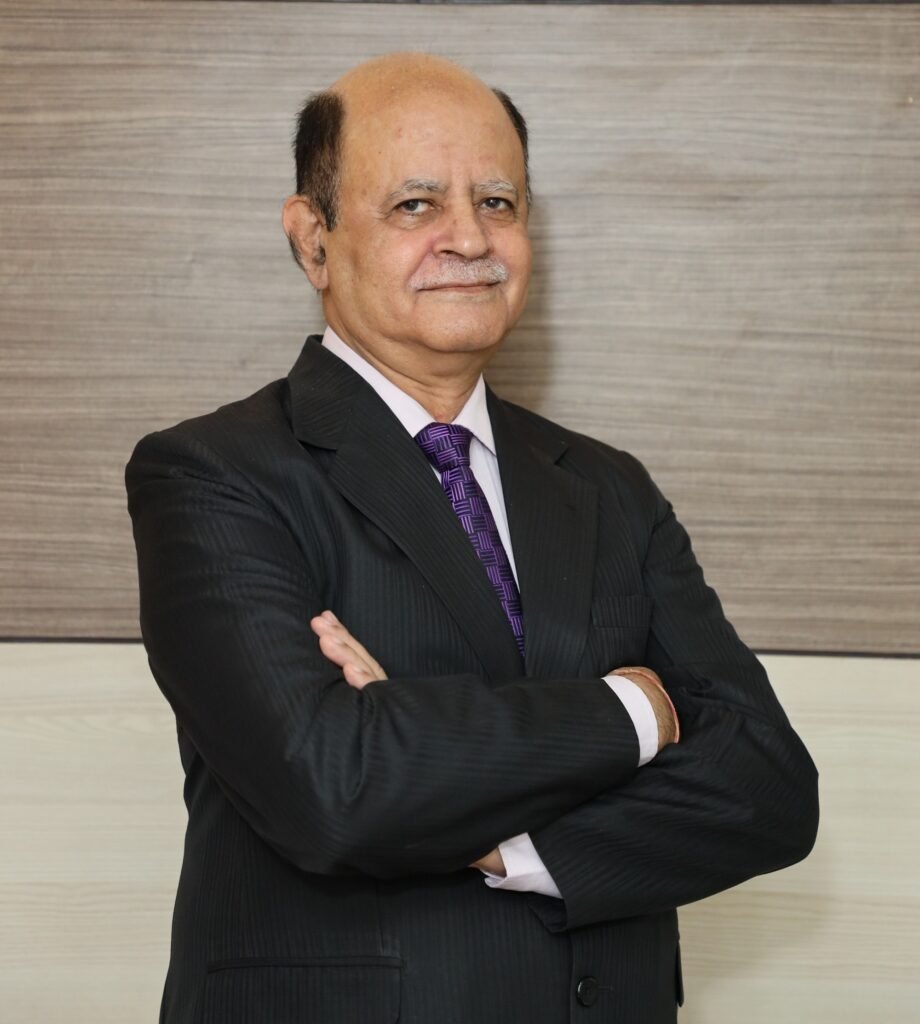
He said a uniform and rationalised pricing framework for traditional microwave bands would improve network resilience and service quality while enabling operators to plan long-term investments with greater certainty.
According to COAI, a simpler and more predictable charging structure would provide operators with greater flexibility to combine fibre and microwave connectivity based on geographical conditions and network requirements. It would also encourage more efficient spectrum utilisation and support network densification as 5G services mature.
Highlighting the financial burden on operators, Kochhar said approximately 25% of the total Spectrum Usage Charge (SUC) payout relates to access spectrum, while nearly 75% is associated with backhaul spectrum, despite backhaul not being a standalone revenue-generating resource.
COAI also estimated that demand for microwave backhaul could increase three to five times over the next five years across most Licensed Service Areas (LSAs), making a predictable, non-escalating pricing structure increasingly important.
The industry body said rationalising these charges should be viewed as a broader network infrastructure reform rather than merely a measure to reduce telecom operators’ input costs.
“COAI therefore urges the early acceptance and implementation of TRAI’s recommendations on rationalisation of microwave backhaul spectrum charges,” Kochhar said.
He added that a sustainable and investment-friendly cost framework would be essential to support wider network rollout, improve quality of service and strengthen network resilience as telecommunications becomes an increasingly important foundation of India’s digital economy.
Sharpen the opening news angleAttribute all key claims clearly